

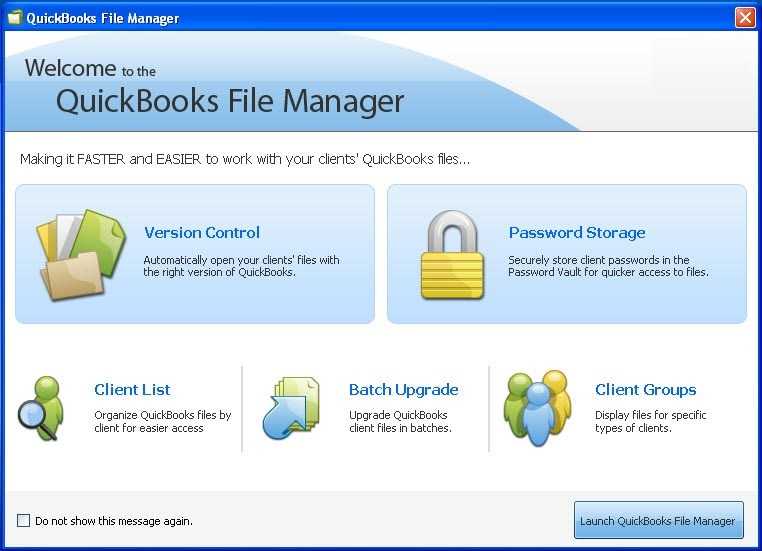
Talking about the QuickBooks File Manager application, it is a standalone app for QuickBooks Accountant and Enterprise Accountant. File Manager stores company files along with the usernames and passwords in a safe and secured environment. And the app allows the user to import client's QB files and easily upgrade from one QuickBooks version to another. The user can access QuickBooks File Manager via an icon from the desktop or from the Accountant menu in QB Accountant editions. QuickBooks
With the help of QuickBooks File Manager application, the user can easily import the client's QB files. Also, the app makes it easier for the user to upgrade from one QuickBooks version to another. Well, if you are keen to know the other facts related to File Manager, then make sure that you read this article carefully till the end. In today's article, we will be talking about the facts related to the QB File Manager. You can also contact our accounting professionals at our toll-free customer support number at +1 (855) 666-0469, and they will provide you with the best possible information.
You may also see: How to Add Inventory in QuickBooks?
Important Points to Remember
The user should note the below points before moving ahead:
- The password vault of the QuickBooks File Manager can be used for managing complex passwords that many files now need QuickBooks
- In case the same list of files and their login and password is required on multiple systems, the File Manager backup can be used and restored on another system
- QuickBooks File Manager is an independent application that works with QuickBooks Accountant and QuickBooks Enterprise Accountant for securing company files along with user credentials
- It is useful when there is a need to import QuickBooks files or to upgrade QuickBooks to a different version
- Make sure you are signed in as an Admin user before accessing the File Manager
What Can Be Done in QuickBooks File Manager?
Talking about the File Manager, the user can:
- Build a client list that creates a virtual view of the hard drive, groups client QuickBooks files by type, and contains locations of clients' company files
- The tool also saves the login information for the clients. QuickBooks desktop files in password vaults let the user open clients' files from the client list without looking up the login information
- The File Manager also upgrades multiple clients' QuickBooks Desktop files to the latest version of QuickBooks in a batch
- And the user can also create groups of clients as defined
- Client credentials can be stored in the Password Vault so that company files can be opened without entering login details every time
- The user can also search for any client by a specified term using the search option
Work Procedure of QuickBooks File Manager
- The File Manager organizes client folders and companies in a user-friendly directory that is based off the user's original orientation
- It also groups all the company files for each client into the particular format for ease of the company
- QuickBooks files such as .QBW, .QBB, .QBA, or .QBM are grouped for each client based on their formats for simplifying access to them
- The File Manager also remembers the username and password for each of the files for easy opening of the company file
- And selecting to open the file from the File Manager directly saves the user from manually logging in each time
Read Also: How to Fix Common QuickBooks Script Errors?
How to Start QuickBooks File Manager?
There are three simple ways to start QuickBooks File Manager:
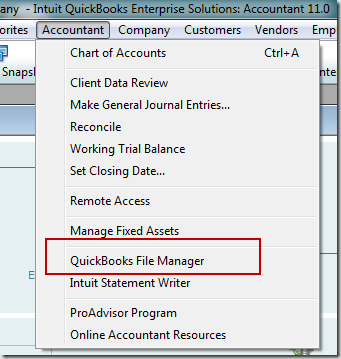
- The user can select QuickBooks File Manager from the QuickBooks Accountant menu
- On the desktop, the user can click on the QuickBooks File Manager icon
- And from the Windows Start menu, the user can move to the Programs, then QuickBooks, and then File Manager tabs respectively
Read it also: How to Combine the QuickBooks Desktop Company files?
Two Options for Importing the QuickBooks Files
The user can move to the Clients drop down menu from the QuickBooks File Manager and then select Add Clients Via, and then choose the Update Client List Wizard. The user then has two options:
- Importing from Client Folder Names — in case of already organized company files and folders into a format to the liking. This is useful when the user already has the company files neatly organized in folders
- Importing from QuickBooks File Names — if the user has not organized the files and folders and the user wants the File Manager to scan the system and import the files. It will also name the files the same as how they are named on the PC or network
The user can also drag and drop the files from Windows File Explorer directly into the File Manager. This is the simplest and quickest way to add files.
Opening the Company File from File Manager
- The user can double click the file or move to the File drop down and choose Open in QuickBooks
- It should be noted that two files can also be opened at once via the File Manager
- Or the user might also convert or restore files
- For which the user needs to move to Files and then Restore to QBW or Convert to QBA
See this also: How to Resolve QuickBooks Error Code 6000?
Managing and Merging Client Folders
- The user can view the grouped clients into preferred groups based off of the clients
- The QuickBooks File Manager automatically groups the files by year in the Groups drop down
- The user can manage the groups by going to Groups, then Add/Edit Groups or deleting current group when a group is opted
- The user might also look for clients by any specified term with the Search option
- Also, the user can merge the client folders by opting for both folders and then right-clicking and selecting Merge Selected Clients
- The user might also manage the client folders and files from the Files drop down
- And when the client is selected from the client list, the information will populate in the Files section
- Once the file has been opened through the File Manager, file information will populate in the Information tab that is to the right of the Files tab
How to Upgrade Client Files Using QuickBooks File Manager
At times, the accountant might need to upgrade multiple client files from one QuickBooks version to another. The File Manager makes this quite easy.
- Open QuickBooks File Manager from the Accountant menu or the desktop icon
- From the client list, select the files you want to upgrade
- You can select multiple files at once by holding Ctrl and clicking each one
- After that, go to the File drop down and choose Upgrade
- QuickBooks will ask you to confirm the upgrade process
- Click Yes to proceed
- Let the upgrade process complete for all selected files
- The last step is to verify the upgraded files by opening them one by one in QuickBooks
How to Use the Password Vault in QuickBooks File Manager
The Password Vault is one of the most useful features of the QuickBooks File Manager. Here is how to use it:
- Open QuickBooks File Manager
- Select a client file from the client list
- Click on the Password Vault option
- Enter the username and password for that file
- Click Save
- From now on, opening that file from the File Manager will not require the user to enter the login details again
- It should be noted that the password vault data is encrypted and stored securely
How to Backup and Restore QuickBooks File Manager Data
At times, the user might need to move the File Manager data to another system. Here is how to back it up:
- Open QuickBooks File Manager
- Go to the File drop down menu
- Select Backup File Manager Data
- Choose a location to save the backup file
- Click OK
- The last step is to copy the backup file to the new system and use the Restore File Manager Data option to bring it back
Note: This is especially useful when the accountant is switching to a new computer and needs to carry over all client files and passwords to the new system without setting everything up from scratch.
Common Issues You Might Face in QuickBooks File Manager
At times, users run into a few issues while using the File Manager. Here are the most common ones:
- File Manager not opening — Make sure you are signed in as an Admin user. Also check that QuickBooks Accountant is properly installed on your system
- Password Vault not saving passwords — Try running QuickBooks File Manager as Administrator. Right-click the icon and select Run as Administrator
- Client files not showing up after import — Check that the file paths are correct. If the company file was moved, update the file location in the File Manager client list
- Upgrade failing midway — Make sure the destination QuickBooks version is properly installed before starting the upgrade. Also create a backup of all files before upgrading
- Drag and drop not working — Make sure both File Manager and Windows File Explorer are running with the same level of permissions
Conclusion!
We conclude the article over here, with the hope that the information we have shared above might brief you with all possible facts related to QB File Manager. However, if any of your queries remained unanswered, then in that case, we recommend you to contact us directly at +1 (855) 666-0469. Our QuickBooks technical support team will provide you with the most relevant answers to all your queries immediately. Thus, feel free to call us anytime, we will be happy to help you.
Frequently Asked Questions
Q. What is QuickBooks File Manager?
It is a standalone application for QuickBooks Accountant and Enterprise Accountant. It stores company files along with usernames and passwords. It also helps the user upgrade multiple client files to the latest QuickBooks version in a batch.
Q. Who can use QuickBooks File Manager?
It is designed specifically for QuickBooks Accountant and QuickBooks Enterprise Accountant users. Regular QuickBooks Pro or Premier users do not have access to this tool.
Q. Is the Password Vault in File Manager secure?
Yes. All data stored in the Password Vault is encrypted. The user can also back up and restore the vault data when moving to a new system.
Q. Can I open multiple company files at once using File Manager?
Yes. Two files can be opened at the same time via the File Manager.
Q. Can I merge two client folders in QuickBooks File Manager?
Yes. Select both folders, right-click, and then choose Merge Selected Clients. This helps in combining duplicate or related client entries in the client list.
Interesting Reads
How to Improve QuickBooks Desktop Performance?